
Cultural views on gambling How different societies shape the game experience
Historical Perspectives on Gambling
The history of gambling spans centuries, with different cultures adapting its practices to fit their societal norms. In ancient civilizations, such as Mesopotamia and China, games of chance were often associated with spirituality and divination. These early forms of gambling were not merely for entertainment but served as a means to connect with the divine and understand fate. Today, enthusiastic players can find reputable options like an online casino, which reflects the evolution of these historical practices.

As societies evolved, so did their views on gambling. In Europe during the Middle Ages, gambling was often viewed with suspicion, associated with vice and moral decay. This dichotomy reflects how cultural values can shape the acceptance and popularity of gambling activities, impacting everything from legislation to public perception.
Religious Influences on Gambling
Religion plays a significant role in shaping cultural attitudes toward gambling. In many cultures, religious beliefs dictate whether gambling is acceptable. For instance, Islamic teachings generally prohibit gambling, viewing it as a form of exploitation and a vice that can lead to social problems. This has led to a lack of formal gambling establishments in predominantly Muslim countries.
Conversely, in cultures where gambling is viewed as a form of leisure, such as in parts of Western society, religious constraints are less restrictive. This has allowed for the establishment of casinos and gambling events as mainstream entertainment, highlighting the complex interplay between religion and gambling practices.
Social Norms and Gambling Behavior
Social attitudes toward gambling can significantly influence individual behavior and community acceptance. In some cultures, gambling is celebrated as a communal activity, often linked to festivals and social gatherings. For instance, in parts of Asia, games like Mahjong are integral to family reunions and holiday celebrations, promoting a sense of togetherness.
In contrast, in cultures where gambling is seen as a solitary or shameful activity, individuals may feel pressured to hide their gambling habits. Such societal views can lead to stigma and isolation, affecting not only personal relationships but also mental health and overall well-being.
Modern Gambling Trends Across Cultures
With the advent of technology, gambling has transformed into a global phenomenon. Online casinos and mobile betting apps have made gambling accessible to a broader audience, transcending geographical boundaries. This shift has led to varied cultural responses; while some embrace the convenience and innovation, others express concern over the potential for addiction and social consequences.
Different regions have adapted to these trends according to their cultural values. For example, Australia has developed a robust online gambling market, emphasizing responsible gambling initiatives, whereas other countries may still be grappling with regulatory frameworks, reflecting their historical and cultural attitudes toward gambling.
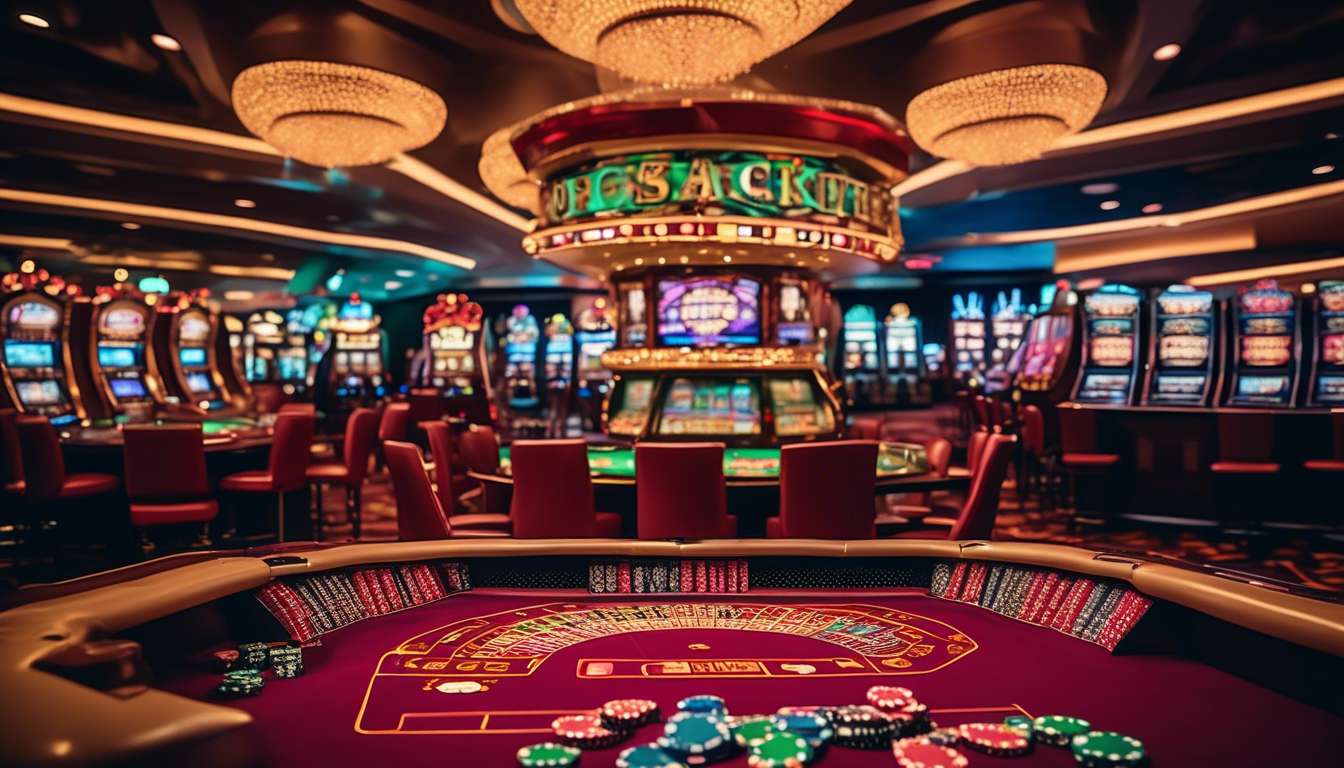
Finding the Right Casino Experience
As you navigate the diverse landscape of gambling, it’s essential to choose a casino that aligns with your preferences and values. Understanding cultural views on gambling can significantly enhance your experience, whether you’re looking for online platforms or traditional establishments. Evaluating factors such as game variety, user-friendliness, and responsible gambling resources will ensure a more rewarding journey.
Exploring various options can help you find a gambling environment that resonates with your cultural background and personal comfort. Engaging with platforms that promote responsible practices allows for a balanced and enjoyable gambling experience, reinforcing the positive aspects of this global pastime.